

It is no surprise that the planet faces serious problems caused by pollution and the depletion of natural resources. And some of the ways to combat them are very simple, such as reducing the amount of plastics we produce for temporary use and throw away.
The logistics sector is one of the major sources of concern: not only because of the CO2 emissions generated by transport, but also because of the materials used to package products, which have also increased with the growth of digital commerce.
Companies and consumers today are paying more and more attention to environmental issues, and part of the solutions involves using more eco-friendly materials. Especially for private individuals or companies that send large quantities of parcels, seemingly small measures can make a big difference and should not be underestimated.
In this article, we explore some of the facts and suggestions to know.
The danger to the environment
Plastic, although extremely useful, brings high costs to the environment. The amount of plastic thrown away every year is astronomical, with most ending up in landfills. It is estimated that only about 9% of plastic produced is recycled, and that the amount currently thrown away is more than 350 million tons per year.
Its own resilience and durability are at the root of the problem. Being non-biodegradable, all manufactured plastic becomes permanent. A plastic bottle takes about 450 years to decompose. Additionally, the production of plastics requires the consumption of natural resources.
All of this means that the manufacture of single-use plastics is a true catastrophe for nature. In this context, the relevance of the materials used in packaging becomes clear: due to their disposability and quick use, they are one of the major contributors to pollution.
Beyond the environment, plastic waste also has costs for companies: the price of materials, handling them, and the space often wasted by unsuitable packaging in transport vehicles. On the other hand, a greater corporate responsibility and care for the environment creates a positive impression of the company among the public. Many consumers today deliberately seek to make more eco-friendly choices.
Recycling
Making new products from existing materials that are discarded, or reusing them, is naturally preferable.
There are intuitive ways to do this, such as opting for reusable bottles and containers, avoiding plastic shopping bags, and reusing the packaging material from parcels sent to us. You can find in this article of ours some tips on how we can contribute more positively to the environment through our habits as consumers.
And of course, the ideal is to replace plastic with less polluting materials whenever that is possible, which brings us to the next point.
Packaging with sustainable materials
Regarding packaging, always consider what reusable options you have available, particularly cardboard boxes. In fact, traditional materials such as cardboard can contribute to a more personalized presentation and give your shipments a more human touch.
And instead of conventional plastic bubbles to protect products during transport, consider alternatives such as recyclable cardboard. Other measures include the use of biodegradable adhesive tapes or plant-based foam filling.
It is common for parcels to be packed with excessive materials. This not only harms the environment, but also the efficiency of the operation, by taking up unnecessary space in the transport vehicle. Additionally, it increases the risk of damage to the contents. You can find the most important tips for parcel packaging in this other article.
Sustainable parcel shipping
The pollution generated by packaging is only part of the problem when it comes to the damage to nature caused by logistics activity, of course. Carbon dioxide emissions are another huge challenge that modern societies have to face, and one that the growth of digital commerce has worsened to very serious proportions.
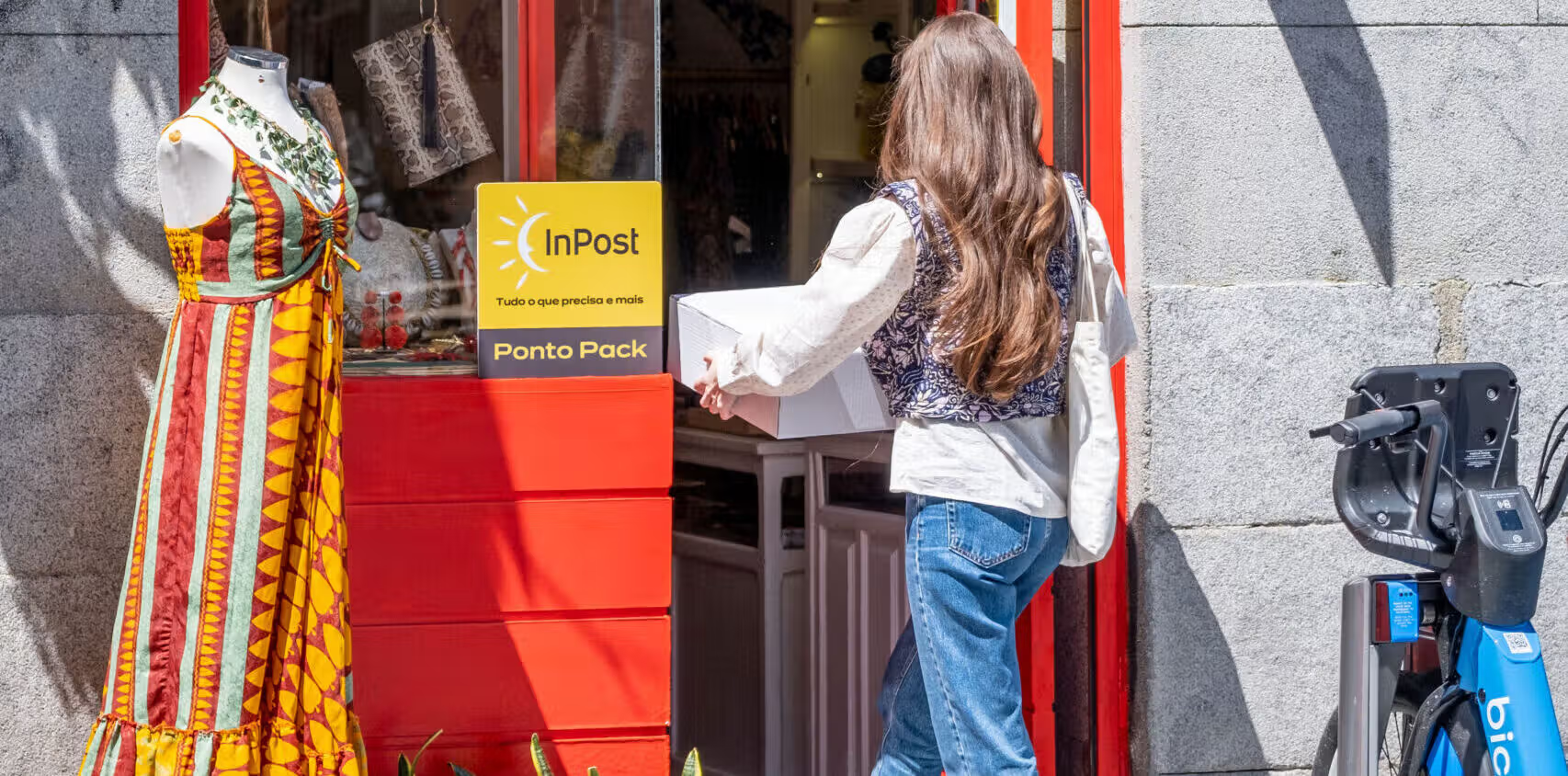
The approach advocated by InPost, parcel shipping to a non-home address via pickup points, has demonstrated its superiority at this level, producing significantly less CO2 than conventional home deliveries, among many other advantages.
Visit our website to discover more about the InPost service and our commitment to sustainability and join us in this vision of a greener and more responsible tomorrow.
Related articles

Recommended articles

Jul 16, 2026
6 Tips to Optimize Your Company Shipments
Discover 6 tips to optimize your company shipments, reducing costs, improving sustainability and increasing customer satisfaction.
Jul 16, 2026
How to Build More Sustainable Consumption Habits
Discover practical tips to adopt more sustainable consumption habits and reduce your environmental impact in everyday life.