

The use of advanced technology and the integration of intelligent systems in the way we store and distribute goods are changing digital commerce, since they can help save costs, streamline processes and minimize errors.
Smart warehouses are part of this context. In this article, we will explore the implications and potential of these transformations, and what advantages they can bring to your business.
What is a smart warehouse?
It is a logistics center equipped with advanced technology that makes it possible to automate and optimize various processes, from inventory to order shipments.
The technology can include both hardware, such as machines, robots and automated conveyors, and software, such as artificial intelligence and analytics tools, to increase productivity, enable the application of more effective strategies based on data analysis and improve the customer experience.
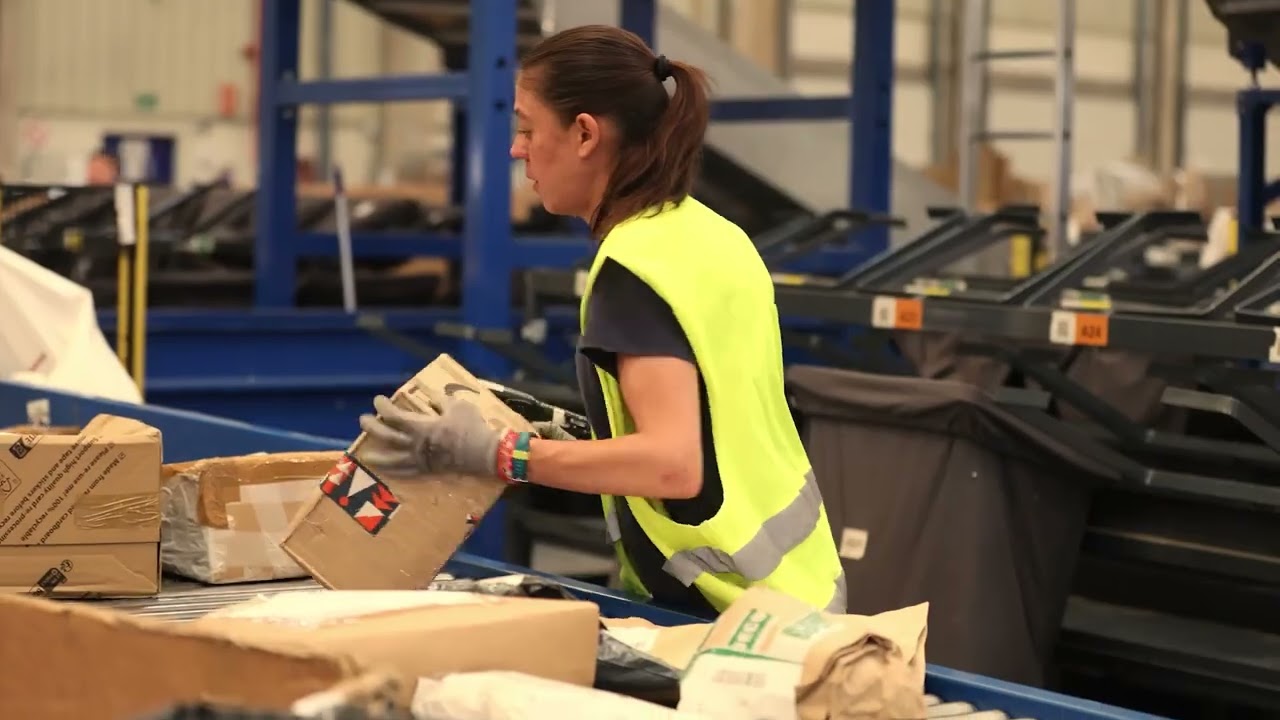
Benefits of smart warehouses for digital commerce
The advantages of adopting a system of this type are many. Among the most notable are:
- More accurate inventory management. This encompasses countless advantages, such as reducing the likelihood of having too much or too little stock, or improving space usage. With the integration of intelligent systems, it is possible to have a real-time view of the entire warehouse, from inventory to item location to order management.
- By relying on systems that offer real-time visibility into all operations, it is possible to quickly identify and solve problems, ensuring the warehouse always runs at full capacity.
- Greater connectivity and real-time data collection and analysis offer opportunities for continuous improvement, identifying areas of opportunity and pointing to specific solutions. It also makes it possible to predict trends, enabling a faster response to market changes and ensuring that sought-after products are always available and ready to ship.
- Work is automated and processes are optimized, which reduces the likelihood of human error, lowers costs and leads to greater operational speed. For example, the process of picking the product from the shelf, packing it and sending it, which takes up much of the time in a traditional warehouse, becomes faster.
- The flexibility of smart warehouses gives them greater scalability and the ability to adapt to different circumstances.
Some types of technology behind smart warehouses
The magic of smart warehouses is made possible thanks to technology. Some of the most relevant components are:
- Warehouse management software
- Artificial intelligence
- Autonomous robots (the robots in smart warehouses are usually easy to program and set up, and are designed to work in conjunction with humans; they are sometimes called “cobots”)
- IoT sensors
- Drones
These elements, and others, are used in combination to produce an efficient ecosystem. Often, the technologies are integrated with online sales platforms to produce a unified view of inventory, sales and orders.
Challenges and considerations
Despite their numerous benefits, this approach is not without challenges.
One of the main ones is the investment in technology and training, which can be significant. We can note, however, that due to their flexibility, it is possible to adopt these systems partially or gradually. In other words, for example, start with one machine and then integrate that machine into a more complete system.
It is also essential to choose solutions suited to the specific needs and objectives of each business.
Another challenge is change management. Adaptation is required, both operationally and culturally, within the company. It is crucial to prepare and train people so that they understand and make the most of the new system's capabilities.
The role of transport and distribution in efficient logistics
Transport and distribution are essential elements in the logistics chain of online commerce, and the use of the smart warehouse does not invalidate this rule. If products do not reach the customer on time and in perfect condition, all the previous effort is in vain. Meanwhile, smart warehouses integrate solutions that optimize the selection of transport, routes and delivery times, to improve the final customer's experience.
Customer experience is the fundamental pillar of e-commerce. Ensuring shipping times and impeccable order accuracy are vital characteristics of a market where every minute counts and small errors can mean losing customers.
InPost as a logistics partner: innovation and efficiency
InPost has established itself in the area of logistics partnership in digital commerce, with an approach to order shipping that offers businesses and individuals flexible and efficient delivery options. With real-time tracking and more efficient, less error-prone shipments, customers are more satisfied and more easily remain loyal to the brand.
Offering InPost services in your digital commerce activity improves the consumer experience and allows you to stand out positively in a highly competitive market. Find out more about how InPost can help your business on our website.
Related articles

Recommended articles

Jul 16, 2026
6 Tips to Optimize Your Company Shipments
Discover 6 tips to optimize your company shipments, reducing costs, improving sustainability and increasing customer satisfaction.

Jul 16, 2026
How to Build More Sustainable Consumption Habits
Discover practical tips to adopt more sustainable consumption habits and reduce your environmental impact in everyday life.