

Every parcel we send or receive comes with packaging materials, such as cardboard, paper, ink and adhesive tape, which usually end up in the trash. Although it is true that packaging is essential to ensure things arrive safe and sound – although even in this area there are some precautions we can take – when it comes to labels, the story is different.
Labels are rarely made with eco-friendly materials or reused. Although this may seem like a minor detail, the use of labels in logistics has a real impact on the planet when we consider the millions of sheets of paper discarded annually. According to the French Agency for Environment and Energy Management (ADEME), a single A4 sheet of paper generates 4.58g of CO2.
InPost's new initiative: label-free shipping
Looking to continue integrating sustainable practices into what we do, we are betting on innovation with a new system: label-free shipping. In other words, a digitalized shipping system, in which you do not need to print the label at home for the parcel.
This initiative has a real impact on reducing the carbon footprint. It means less paper and ink used, which is a positive contribution to the environment.
Reducing our carbon footprint is a key component of InPost's sustainability strategy. Every time you send a shipment through our services, you take a step alongside us toward a greener future and help us achieve our goal of being Net Zero in 2040.
How does this contribute to sustainability?
We estimate that our new label-free shipping system will reduce CO2 emissions by up to 5 tons per year, equivalent to traveling 70,000 kilometers in a small car.
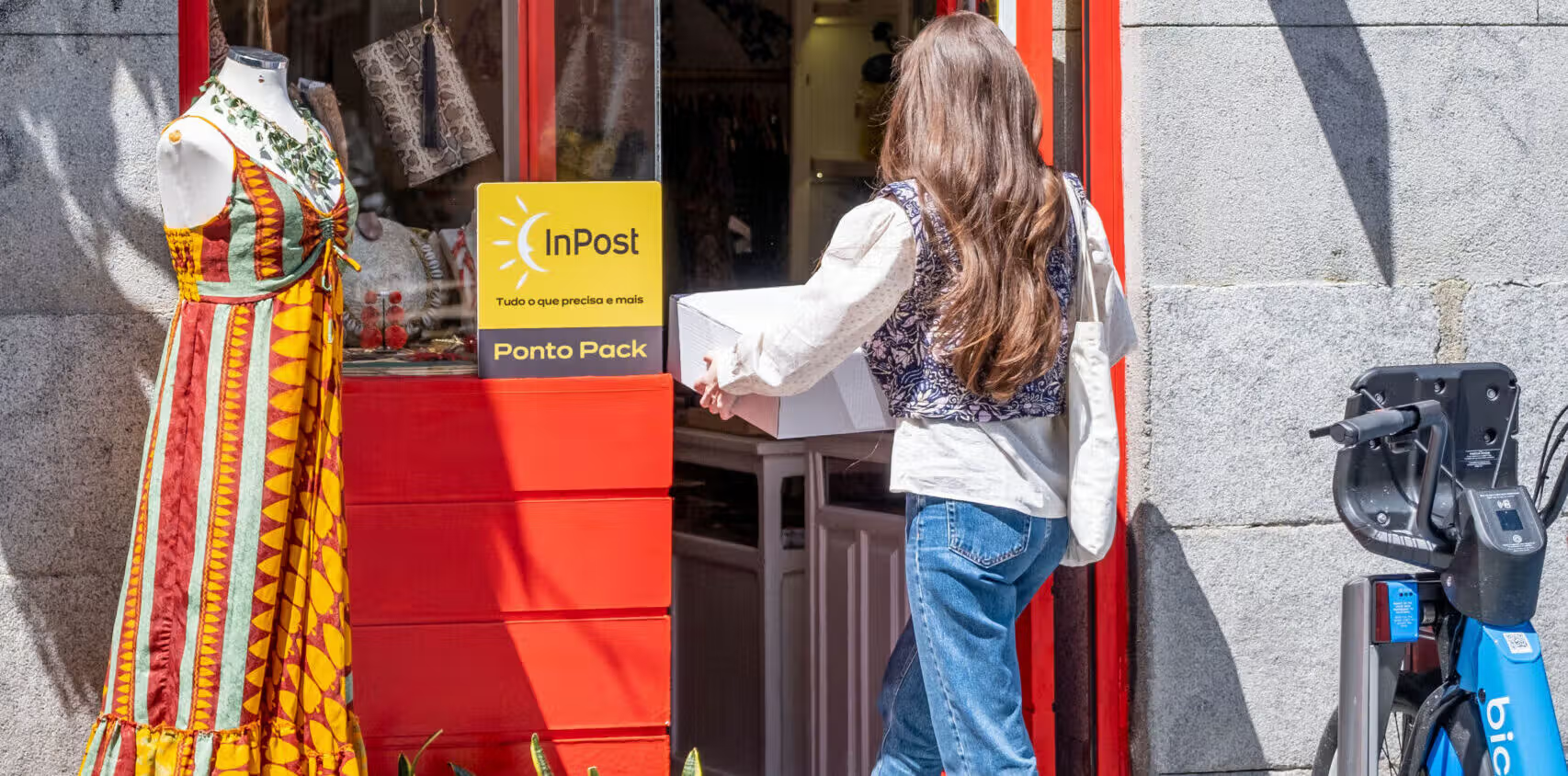
And of course, this new approach fits into the context of shipping through InPost Pack Points: a more sustainable shipping option, which allows parcels to be sent and received at pickup points. This approach offers significant advantages for the environment.
It is estimated, according to a study by Pólo Sul, that a shipment through a Pack Point represents 83 grams of CO2, while a conventional home delivery produces 229 grams. This means a reduction of 146 grams of CO2 per shipment.
How does it work?
InPost's label-free shipping service is a simple and efficient system. The process starts on our platform. When the shipping payment is made, a unique QR code is generated for the parcel. The QR is sent to the customer's email, which they must present at a Pack Point to process the shipment.
By scanning the QR code at the pickup point, the eco-label is generated. This process saves time and eliminates the need to print labels at home. Each Pack Point is equipped with eco-friendly printers and materials (such as paper and inks).
Benefits for you
This system, in addition to being beneficial for the environment, also improves the customer experience. The process of shipping and collecting the parcel becomes faster and easier, eliminating the need to have a printer at home or to use the services of a print shop.
Additionally, this simplifies returns procedures, making them more convenient and efficient. If you need to return an item, simply repackage it, request the return from the online store, and take it to a Pack Point, without needing to waste time on printing.
InPost and the future of sustainable logistics
There is an urgent need to seek more sustainable solutions in logistics, and this has been one of our main priorities. Currently, we are leaders in Europe in out-of-home deliveries, and we have sought to continue integrating sustainable practices at every stage of the shipping process. We continue to expand our presence, and we currently have more than 11,000 Pack Points in the Iberian Peninsula.
With InPost, shipping parcels is easier and more sustainable than ever. Discover how you can contribute to a more sustainable future and enjoy a simple and efficient shipping service.
Related articles

Recommended articles

Jul 16, 2026
6 Tips to Optimize Your Company Shipments
Discover 6 tips to optimize your company shipments, reducing costs, improving sustainability and increasing customer satisfaction.
Jul 16, 2026
How to Build More Sustainable Consumption Habits
Discover practical tips to adopt more sustainable consumption habits and reduce your environmental impact in everyday life.